Then it clicked. The night before, I had taken off my smartwatch and placed it beside my pillow. Those “lint pieces” weren’t lint at all — they were fragments of my silicone watch band slowly breaking down. This actually happens more often than people realize. Silicone and rubber straps wear out over time from daily friction — typing, resting your wrist on surfaces, adjusting the band, even normal hand movement.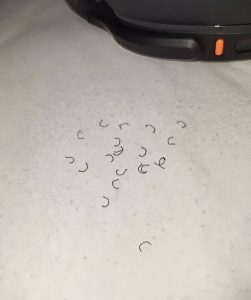
Add sweat, oils, dust, and lotion, and the material gradually degrades. Those tiny specks are early warning signs.Cheaper silicone bands wear out fastest. If your strap feels sticky, starts peeling, or shows small cracks, it’s on its way out. Higher-quality fluoroelastomer bands last much longer, though they cost more. If you spot flaking pieces or feel irritation on your wrist, replace the band before it snaps and risks dropping your watch.
To extend its life, clean the strap regularly with mild soap, let it dry fully, and rotate between bands if possible. So if you ever find weird crumbs on your sheets or desk, now you know — it might be your watch quietly telling you it’s time for a new band.