Forsythe recorded his first lines in his pajamas—and throughout the whole series, he never once appeared on set. Another funny detail: the same shot of the Townsend Agency was reused constantly, even when the parked cars didn’t match which Angel was inside. The stars’ cars became iconic, too—Jill and Kris with their Cobra, Kelly in her Mustang, and Sabrina in...
Related Posts
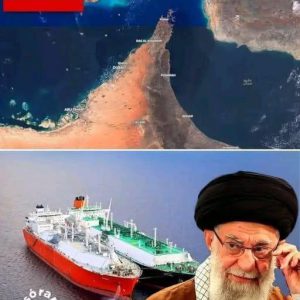
BREAKING: IRANIAN PARLIAMENT APPROVES THE CLOSURE OF THE E…See more
The Iranian Parliament could close the Strait of Hormuz. • It is an artery only 34 km wide. • It carries 30% of the world’s oil and…
Erika Kirk’s New Relationship Sparks Public Debate Just Months After Tragedy
Only four months after the tragic killing of her husband, Erika Kirk has returned to the public spotlight for a deeply personal reason. Reports that she has…
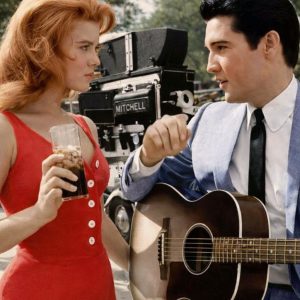
Viva Las Vegas: Hidden Bloopers and Mistakes You Probably Missed
Few American icons are as unforgettable as Elvis Presley. In the 1964 film Viva Las Vegas, his electric chemistry with Ann-Margret lights up the screen, especially during…
Melania Trump Absent for Over 20 Days — Expert Weighs In on the Reason
Controversy has rarely been far from Donald Trump, but even by presidential standards, his ability to dominate headlines remains unmatched. In recent weeks, attention has focused on…
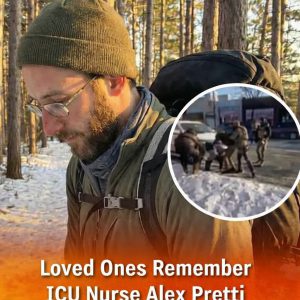
Loved Ones Remember ICU Nurse Alex Pretti After Federal Enforcement Operation
The death of Minneapolis resident Renee Nicole Good during a federal immigration enforcement operation has drawn nationwide attention and renewed debate over public safety and law enforcement…
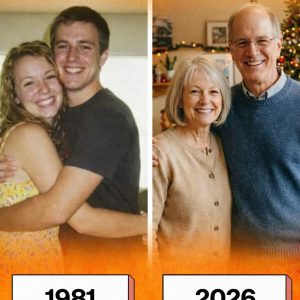
I Found My College Photo on Facebook — My First Love Had Been Looking for Me for 45 Years
I never expected a quiet night on the couch to reopen a door I’d spent decades gently closing. My name is Susan. I’m 67, a retired nurse…